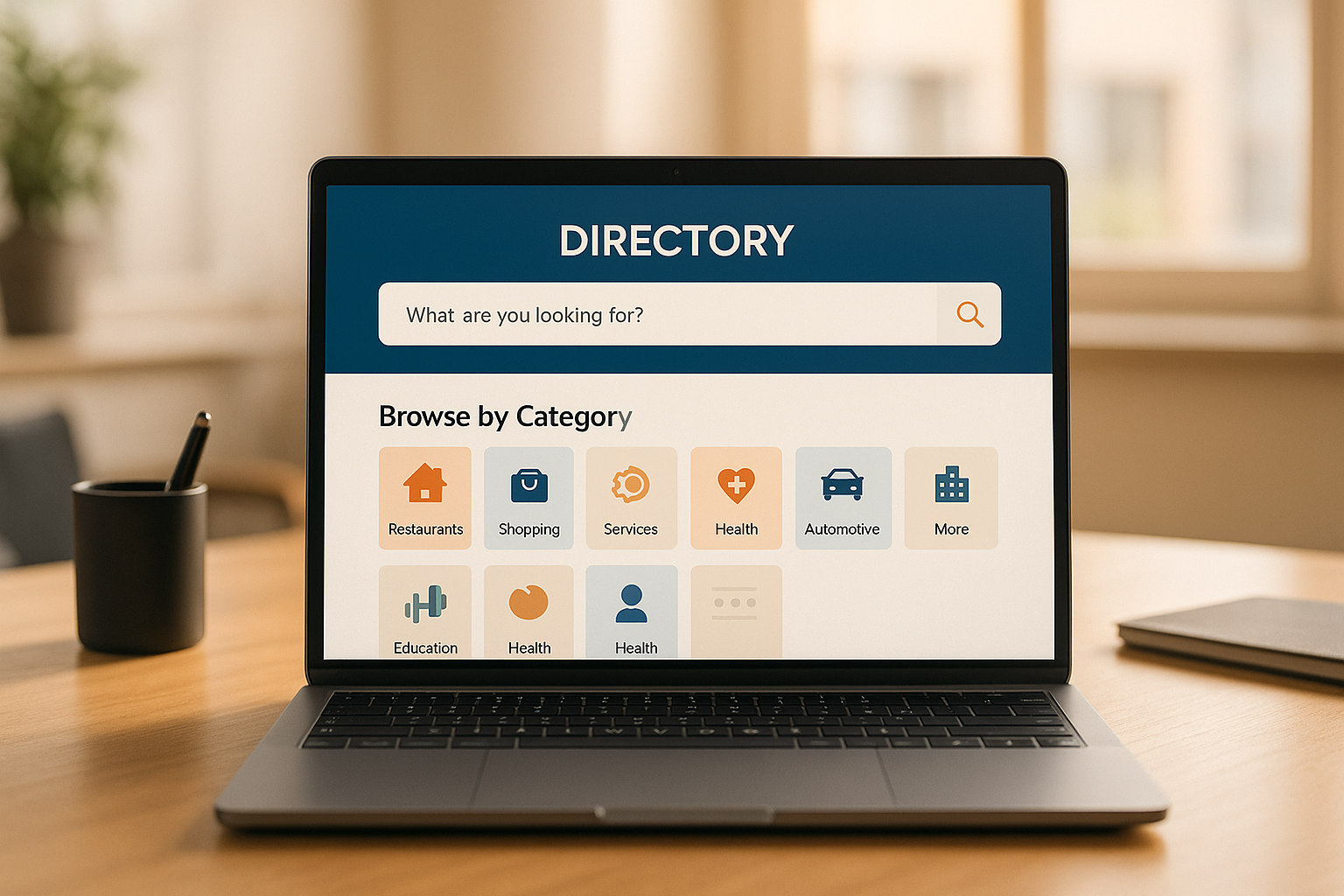
Building a directory website used to mean hiring developers, managing servers, and burning through months of runway. That reality has changed. Today, anyone can launch a branded directory site in hours using white label directory software.
I've seen first-hand how the directory space attracts entrepreneurs looking for recurring revenue streams. A white label directory builder removes the technical barriers while letting you keep full brand ownership.
What is a White Label Directory Builder?
A white label directory builder is software that lets you create, brand, and sell directory websites as your own product. The platform provider handles the technical infrastructure. You handle the branding, marketing, and customer relationships.
Here is why this matters for agencies and entrepreneurs: the global SaaS market is projected to reach $908.21 billion by 2030, growing at a compound annual growth rate of 18.7% (White Label Wonder, October 2024). Directory platforms sit squarely within this expanding market.
White label directory software works differently from standard website builders. Standard builders give you templates. White label solutions give you a complete business platform that your clients never know came from somewhere else.
Why Agencies Choose White Label Directory Solutions
Marketing agencies face constant pressure to expand their service offerings. Building software in-house is expensive and time-consuming. White label directory builders solve both problems.
According to OnGraph, 73% of businesses now incorporate white label solutions into their workflow (OnGraph, April 2025). The reason is simple: white label products skip the development phase entirely.
Let's break it down. An agency using white label directory software can:
- Offer directory creation services under their own brand name
- Set their own pricing and profit margins
- Avoid development, testing, and maintenance costs
- Focus on sales and client relationships instead of code
I think the real value shows up in client retention. When you provide a client with a branded directory platform, they stay with you longer. You become their technology partner, not just a service provider.
The Online Directory Market Opportunity
The numbers tell a clear story. Verified Market Research reports that the online directory and review platforms market was valued at $28.7 billion in 2022. That figure is projected to reach $50.9 billion by 2030, growing at 7.45% annually (Verified Market Research, October 2023).
Business directories remain relevant for one simple reason: people search for local services online. Research from Jasmine Directory shows that specialized directories in fragmented industries generate 340% higher revenue per listing than general directories (Jasmine Directory, September 2025).
Niche directories outperform broad ones. A directory focused on wedding vendors in Austin will always beat a generic business listing site. White label directory tools make it possible to test niche ideas without betting your entire budget on custom development.
Key Features to Look for in White Label Directory Software
Not all white label directory builders deliver the same capabilities. Here is what separates functional platforms from ones that limit your growth.
Complete Branding Control
Your clients should never see another company's logo or branding. Look for platforms that let you add custom domains, apply your logo and colors, and remove all references to the original software provider.
According to ConnectPOS, full branding control means clients see your domain, logo, and interface throughout their entire experience (ConnectPOS, July 2025). This builds trust and positions you as a technology company, not a reseller.
SEO Tools Built In
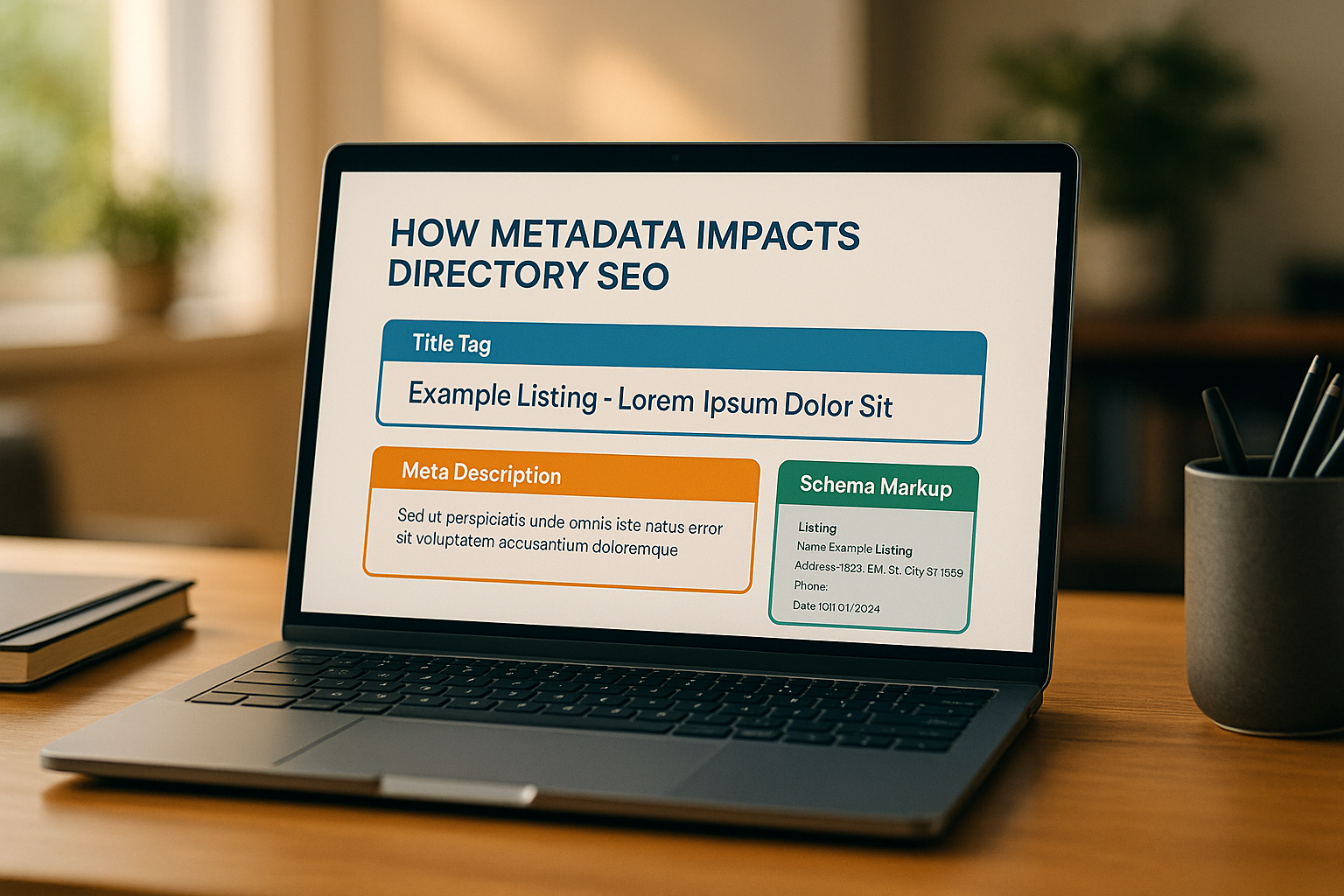
Directories live and die by organic search traffic. The best white label directory builders include SEO features like customizable meta tags, clean URL structures, XML sitemaps, and structured data markup.
Search visibility determines whether a directory generates revenue or sits empty. Built-in SEO tools save hours of manual optimization work.
Payment Processing for Paid Listings
Directory monetization typically happens through paid listings, featured placements, and subscription plans. Your white label platform should include payment processing so you can start collecting revenue from day one.
The ability to create tiered pricing gives you flexibility. Offer free basic listings to build inventory, then charge for premium placement and additional features.
Bulk Import Capabilities
Launching a directory with zero listings is a losing strategy. Look for platforms that support CSV or spreadsheet imports. This lets you populate your directory with hundreds or thousands of listings at launch.
As Directbase notes, bulk import is particularly powerful for agencies migrating existing client data or launching multiple directories simultaneously (Directbase, 2024).
Mobile-Responsive Design
Mobile traffic now dominates web usage. The website builders market reached $2.02 billion in 2024 and is projected to hit $3.71 billion by 2033 (Business Research Insights, 2024). That growth reflects increasing demand for mobile-friendly web solutions.
Any directory you launch needs to work smoothly on smartphones and tablets. Mobile responsiveness is not optional.
Who Benefits from White Label Directory Builders?
Several groups find white label directory software particularly useful.
Digital Marketing Agencies
Agencies can offer directory creation as an additional service line. The 2024 SaaS market generated approximately $282.20 billion in revenue, and marketing agencies increasingly turn to white label platforms to capture a share of that spending (Synthflow, 2024).
Adding directory services expands your agency's offering without adding headcount or development costs.
Entrepreneurs and Indie Makers
Solo founders can test directory ideas quickly. Instead of spending six months building a custom platform, you can launch a minimum viable directory in days. This lets you validate whether a niche has demand before making larger investments.
I find this approach especially useful for niche directories. Test the concept, gather feedback, then decide whether to double down or pivot.
Local Business Organizations
Chambers of commerce, trade associations, and community groups often need member directories. White label solutions let them launch branded directory sites without technical expertise.
WildApricot notes that both business directories and member directories help organizations connect their communities while providing value that encourages membership retention (WildApricot, May 2025).
SaaS Resellers
Businesses looking to resell directory software under their own brand can use white label platforms to build a subscription-based revenue stream. You handle sales and support while the platform provider maintains the technology.
How White Label Directory Building Compares to Custom Development
Custom development gives you total control. You own the code, choose every feature, and build exactly what you want. That freedom comes with costs.
A custom-built directory platform typically requires:
- Months of development time
- Ongoing maintenance and server management
- Security updates and bug fixes
- Developer resources for every new feature
White label directory builders flip this equation. The platform provider handles updates, security, and infrastructure. You focus on growing your directory business.
According to Precedence Research, the global software market is projected to reach $1.78 trillion by 2034, growing at 11.8% annually (Prismetric, March 2025). Much of that growth comes from businesses choosing ready-made solutions over custom builds.
Here is my take: custom development makes sense when you have highly specific requirements and a large budget. For most directory projects, white label solutions deliver 90% of the functionality at a fraction of the cost and timeline.
Revenue Models for Directory Businesses
Directory websites generate income through several channels. Understanding these models helps you price your offerings appropriately.
Paid Listings
Businesses pay to appear in your directory. This can be a one-time fee or a recurring subscription. Premium listings with enhanced visibility command higher prices.
Featured Placements
Offer top-of-page positioning, highlighted listings, or homepage features for additional fees. This creates upsell opportunities beyond standard listings.
Advertising
Once your directory attracts traffic, display advertising becomes viable. Banner ads and sponsored content provide additional revenue without requiring more listings.
Lead Generation
Some directories charge businesses based on leads delivered rather than simple listings. This performance-based model aligns your success with your clients' results.
Affiliate Partnerships
Directories in certain niches can earn affiliate commissions by connecting visitors with relevant products or services. Travel directories, software directories, and review sites often use this model.
Getting Started with a White Label Directory Platform
Launching a white label directory follows a predictable path.
Step 1: Choose Your Niche
Broad directories struggle to compete against established players like Yelp or Google Business. Narrow your focus. Target a specific industry, geographic area, or audience segment.
Step 2: Select Your Platform
Evaluate white label directory builders based on features, pricing, and customization options. Ensure the platform supports your monetization strategy.
Step 3: Configure Your Branding
Apply your logo, colors, and domain name. Remove any references to the underlying platform. Your directory should feel like your product.
Step 4: Import Initial Listings
Use bulk import tools to populate your directory before launch. A directory with 50 quality listings is more useful than one with zero.
Step 5: Establish Pricing
Decide what you'll charge for listings, premium features, and advertising. Research competitors in your niche to benchmark pricing.
Step 6: Launch and Market
Publish your directory and start promoting it. Reach out to businesses in your niche, create content around your directory topic, and build backlinks to improve search rankings.
Common Mistakes to Avoid
Directory projects fail for predictable reasons. Here are pitfalls to sidestep.
Launching Too Broad
A directory that lists "all businesses everywhere" won't rank in search results and won't attract dedicated users. Pick a niche and own it.
Ignoring SEO From the Start
Search engines drive directory traffic. Configure your SEO settings, write unique descriptions for categories, and ensure your technical SEO foundations are solid from day one.
Skipping the Initial Inventory
Users abandon empty directories. Invest time in populating listings before announcing your launch. Even 100 quality listings make a directory feel active.
Underpricing Your Services
Directory listings provide ongoing value to businesses. Price accordingly. Undercharging makes it hard to invest in growth and marketing.
The Future of Directory Websites
Directory websites continue to adapt. Several trends shape where the industry is heading.
Artificial intelligence is changing how users discover services. Smart directories will use AI to match users with listings based on more than keyword searches (OnGraph, April 2025).
Mobile usage keeps increasing. Directories that don't deliver smooth mobile experiences will lose traffic to competitors that do.
Niche directories will continue outperforming general ones. The fragmented nature of many industries creates opportunities for specialized directories that serve specific communities.
White label solutions will become more powerful. As platform providers compete for customers, features will improve while prices stay accessible.
Taking Action
The directory market offers real opportunities for agencies, entrepreneurs, and organizations willing to serve specific niches. White label directory builders remove the technical barriers that once made entry difficult.
You don't need to write code. You don't need to manage servers. You need a clear niche, a plan for populating your directory, and the commitment to market your platform consistently.
Start by identifying an underserved niche in your market. Research what businesses in that space would pay for visibility. Then choose a white label directory platform that supports your goals.
The tools exist. The market is growing. The only remaining question is whether you'll build something with them.
Sources
-
"How big is the white label market?: Size, Growth, and Future Outlook," White Label Wonder, October 23, 2024, https://whitelabelwonder.com/how-big-is-the-white-label-market-size-growth-and-future-outlook/
-
"The Future of White Label Software in Growing SaaS Industry," OnGraph, April 24, 2025, https://www.ongraph.com/the-future-of-white-label-software-in-a-growing-saas-market/
-
"Global And U.S Online Directory And Review Platforms Market Size," Verified Market Research, October 12, 2023, https://www.verifiedmarketresearch.com/product/global-and-us-online-directory-and-review-platforms-market/
-
"Unlocking Growth: The Top 5 Niche Markets for Business Directories in 2024," Jasmine Directory, September 6, 2025, https://www.jasminedirectory.com/blog/unlocking-growth-the-top-5-niche-markets-for-business-directories-in-2024/
-
"What is White Label Software? And Its Benefits?," ConnectPOS, July 24, 2025, https://www.connectpos.com/what-is-white-label-software/
-
"Top 7 Business Directory Website Builders Online for 2024," Directbase, 2024, https://directbase.app/blog/top-business-directory-website-builder-online
-
"Website Builders Market Size, And Forecast 2024-2025-2033," Business Research Insights, 2024, https://www.businessresearchinsights.com/market-reports/website-builders-market-100500
-
"How to Become a Successful White Label Reseller," Synthflow, 2024, https://synthflow.ai/blog/white-label-reseller
-
"8 Awesome Directory Website Builders in 2024," WildApricot, May 12, 2025, https://www.wildapricot.com/blog/directory-website-builder
-
"White Label Software Development: A Complete Guide," Prismetric, March 5, 2025, https://www.prismetric.com/white-label-software-development/