We host every kind of directory you can imagine — restaurant guides, member rosters, SaaS tool collections, wedding vendor lists. A few weeks ago we sat down and computed what actually happens across all of them: 4,039 directory websites, 513,929 listings, and over a million page views of tracked traffic. The full numbers live on our directory website statistics page, and we'll keep them refreshed quarterly.
This post is the short version: the five patterns in the data that would change how I'd start a directory today.
TL;DR: 61% of directory websites never publish a single listing — content, not software, is the real barrier. Directories that succeed front-load it: the ones that reach 100 listings get there in a median of 7 days. You don't need thousands of entries either — the median launched directory holds 60 listings. And the demand side is real: 3,539 businesses have created accounts just to get listed, and directories on our platform have delivered 11,922 leads to them.
1. The software was never the bottleneck
Of the 3,395 live directories on Directify, 61% have never published a single listing.
Think about what that means. These are people who signed up, picked a template, often connected a domain — and then stopped. The tooling did its job in minutes. What stopped them was the part no builder can do for you by default: deciding on a niche and putting the first real entries in.
In our data, the divide between directories that grow and directories that stall sits at roughly 10 listings. Cross it and you're in the group of 579 launched directories with real coverage. Stay below it and the project quietly dies. If you're starting a directory, your only goal in week one should be clearing that line.
2. Winners front-load their content
Here's the stat that surprised us most: among the 313 directories that reached 100 listings, the median time to get there was 7 days.
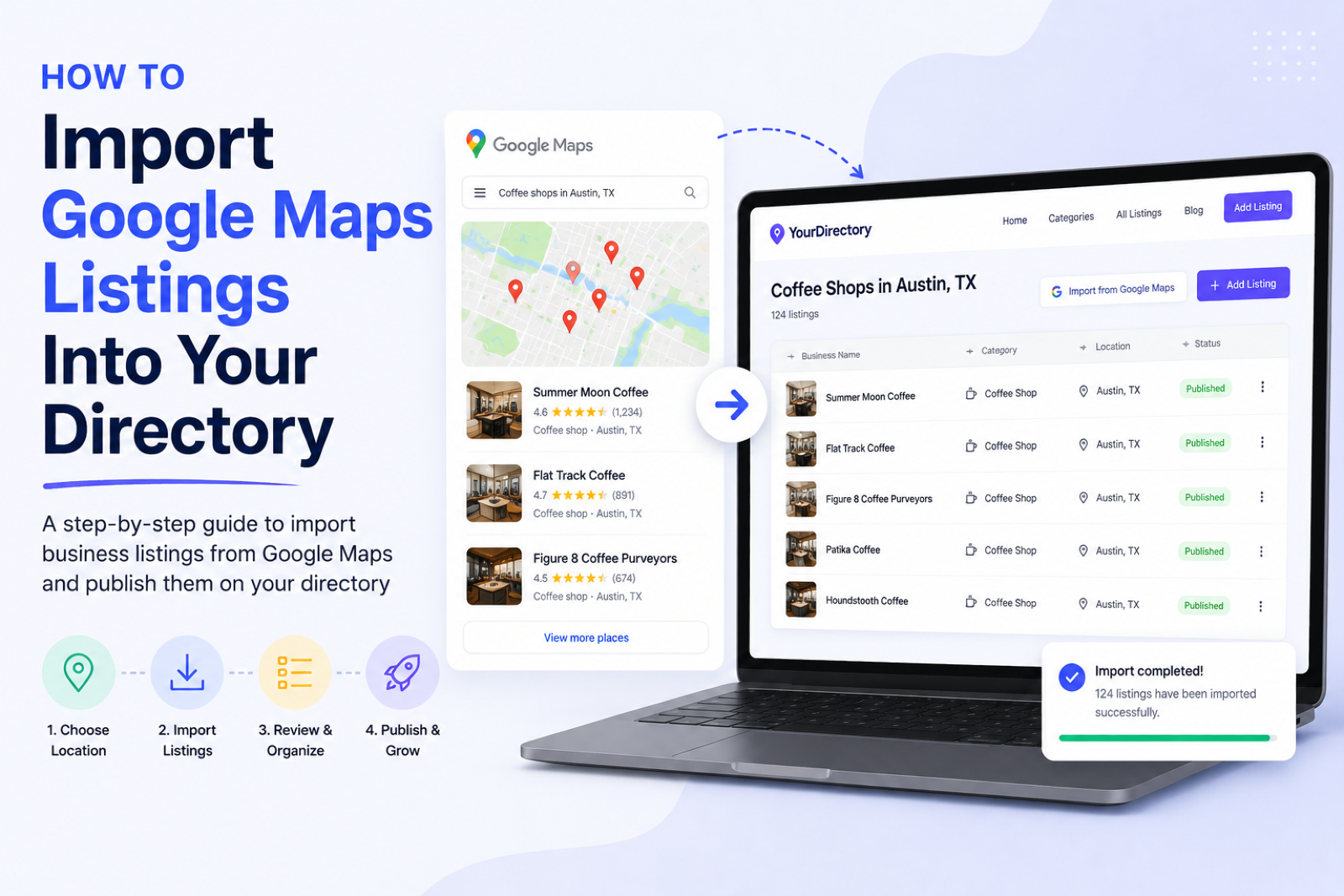
Not seven months of slowly accumulating submissions — seven days. The directories that hit meaningful scale almost never wait for businesses to submit themselves. Their owners seed the content: importing a spreadsheet they researched, generating a first pass with AI and then curating it, or simply grinding through the niche manually in a focused week.
This flips the common mental model of a directory as a "post it and they will come" platform. The successful pattern is closer to publishing: you create the initial value, and submissions arrive later, after the directory already proves it can rank and refer traffic.
3. You need 60 listings, not 6,000
The median launched directory holds 60 listings. Only 234 directories have passed 100, and just 59 have passed 1,000 — and plenty of the mid-sized ones rank well and earn money in their niches.
Sixty entries is a weekend of research. What matters is that those entries completely cover something specific — every med spa in one city, every podcast about one industry, every grant available to one kind of founder. A directory of 60 listings that answers one question fully beats a directory of 6,000 that answers nothing in particular. Search engines reward the former; nobody links to the latter.
4. The demand side shows up
A directory has two audiences: visitors searching it, and businesses that want to be in it. The second group is where monetization lives, and the data says they show up in numbers: 3,539 businesses have created accounts on Directify-hosted directories specifically to be listed, businesses have claimed their listing 325 times, and directories have passed 11,922 leads to the businesses inside them.
Directories with real coverage stop being websites and start being channels. That's the asset you're actually building — the moment a business owner emails asking "how do I get added?", you have something worth charging for.
5. What people actually build
The most common niches across live directories: education, restaurants and food, marketing, project management, finance, customer support, productivity, SEO, social media, and travel. Software and business-services directories lead, but local niches are close behind — and our purpose-built directory templates for real estate, restaurants, job boards, events, and member organizations now power over 200 live directories between them.
Traffic follows the same spread: 777 directories have measurable visitors, the busiest single directory has served over 120,000 page views, and together they've passed a million tracked views since March.
What I'd do with this data
If you're starting a directory website in 2026, the data compresses into a simple playbook:
- Pick a niche you can cover completely — completeness at small scale beats volume.
- Seed 10 listings on day one and aim for your full first batch within a week. Import, generate, or research manually — just don't wait for submissions.
- Treat 60 quality listings as launch, not a milestone on the way to launch.
- Make it easy for businesses to claim and submit once traffic arrives — the demand side is where the business model starts.
Every number in this post comes from our live platform data — no sampling, no estimates. The full dataset, methodology, and citation guidelines are on the statistics page, and you can browse the top live directories on the leaderboard. If you're writing about directory websites and need a number we haven't published, ask — we can usually compute it.
Ready to Build Your Directory?
Start creating your professional directory website today with Directify's no-code platform.
Get Started Free